Space Debris Project_02
2026 | Installation
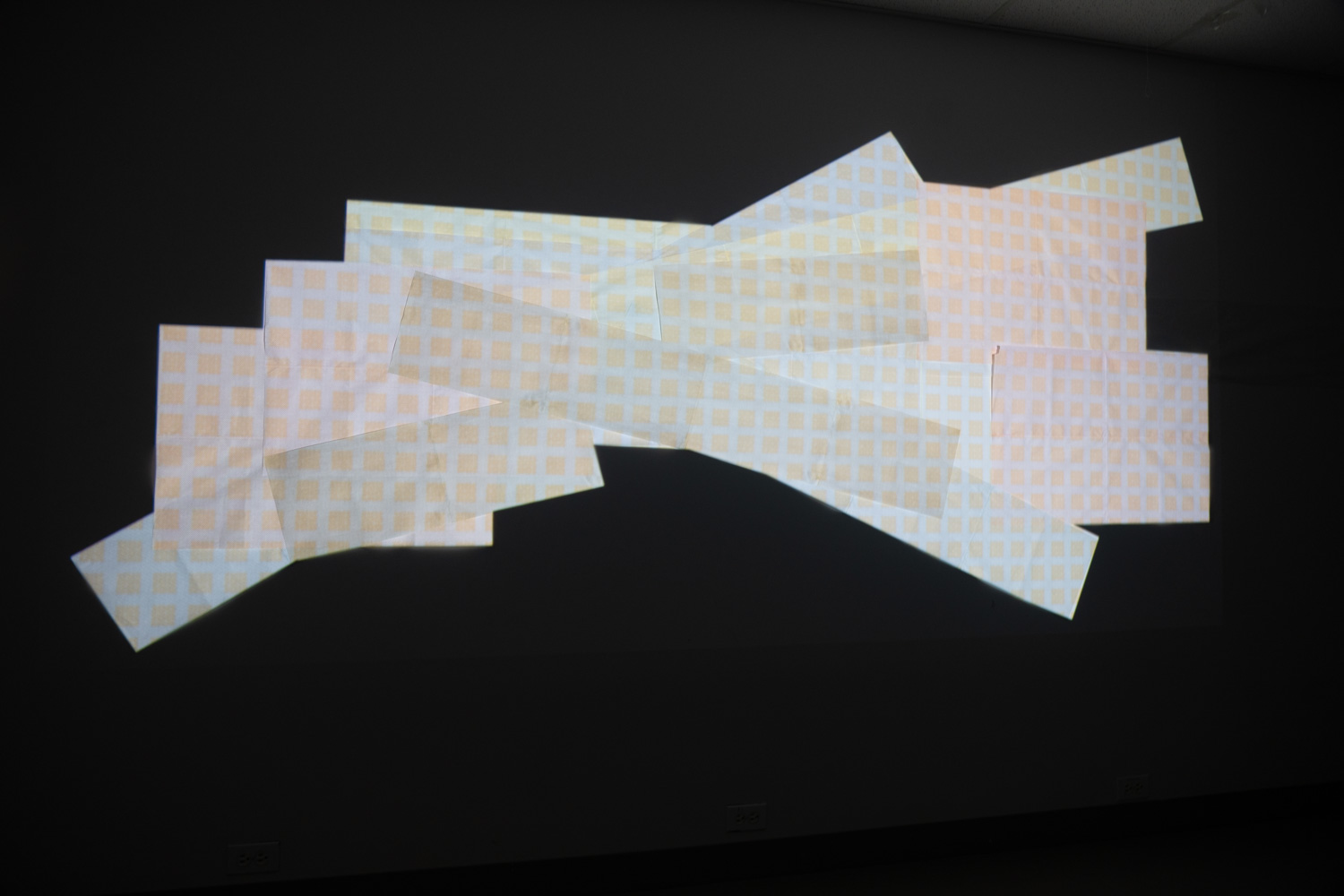
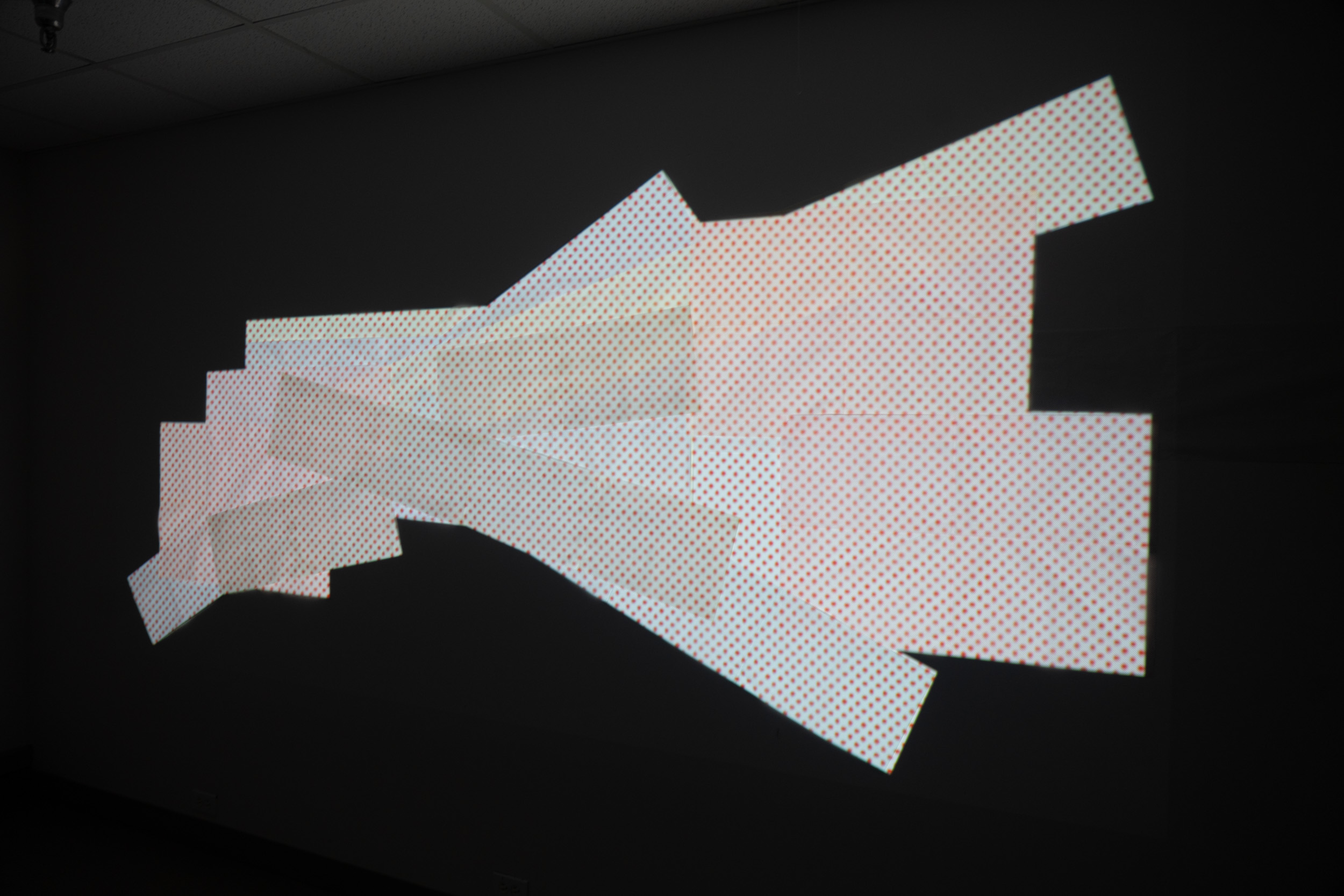
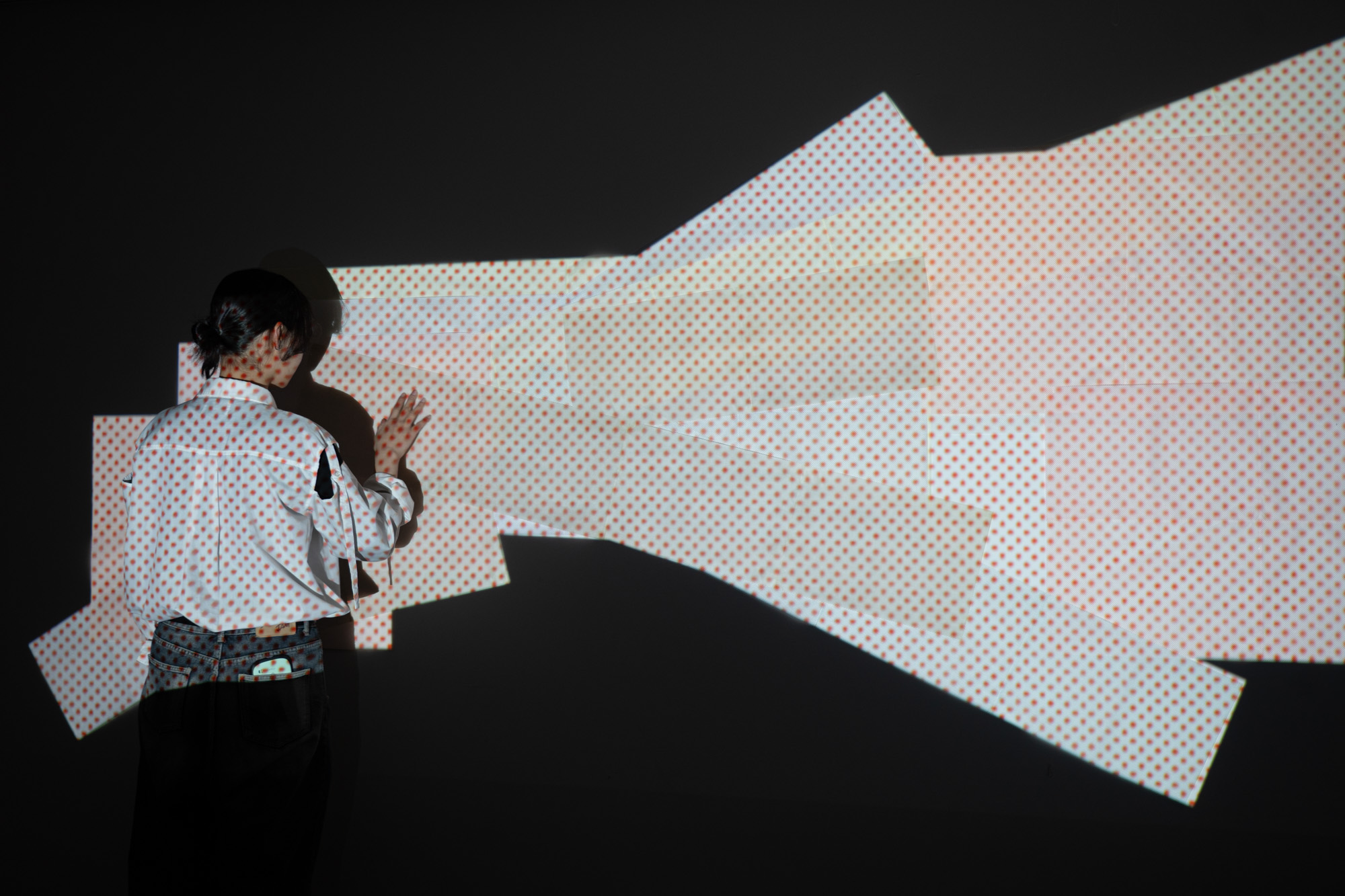
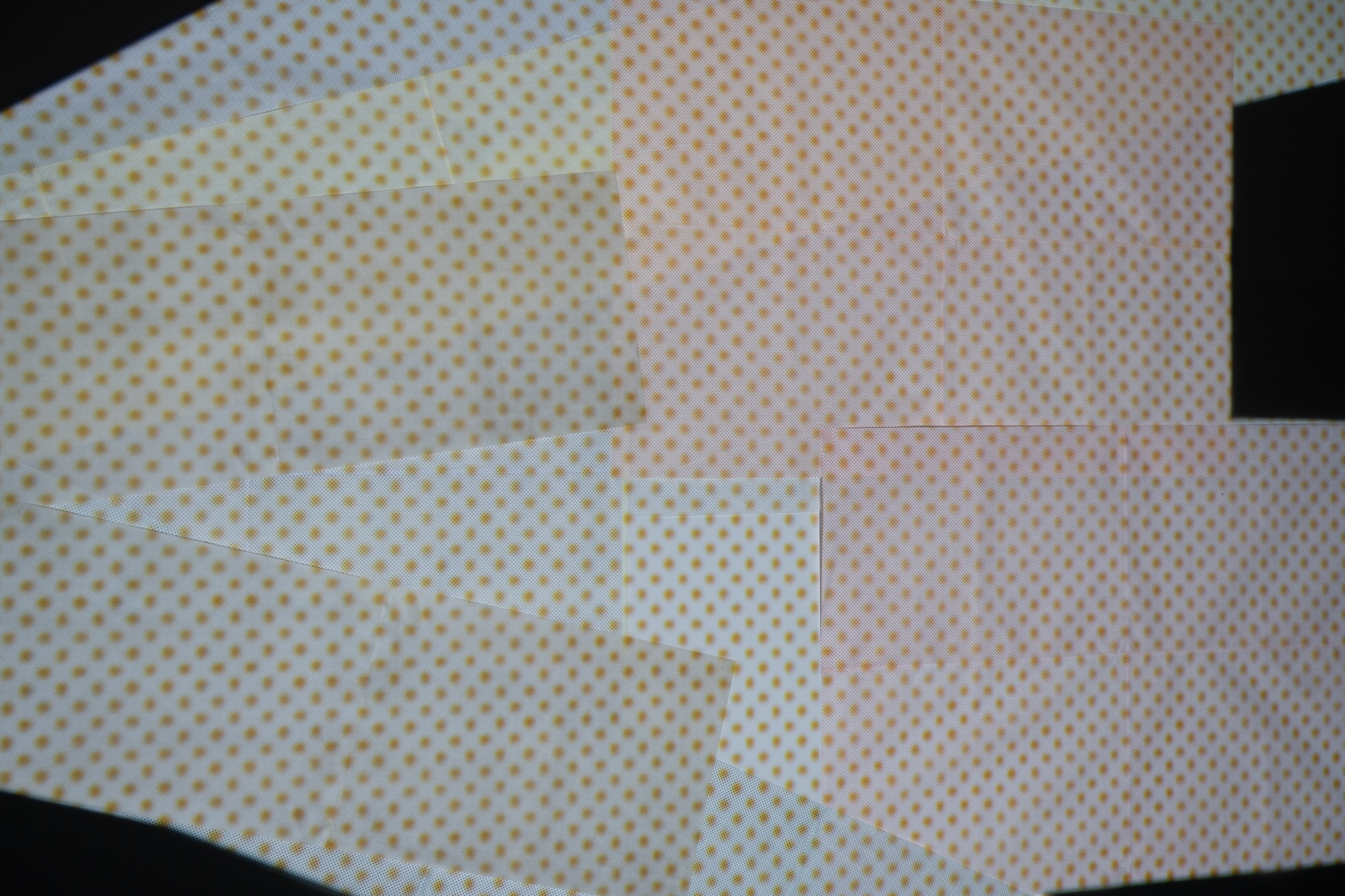
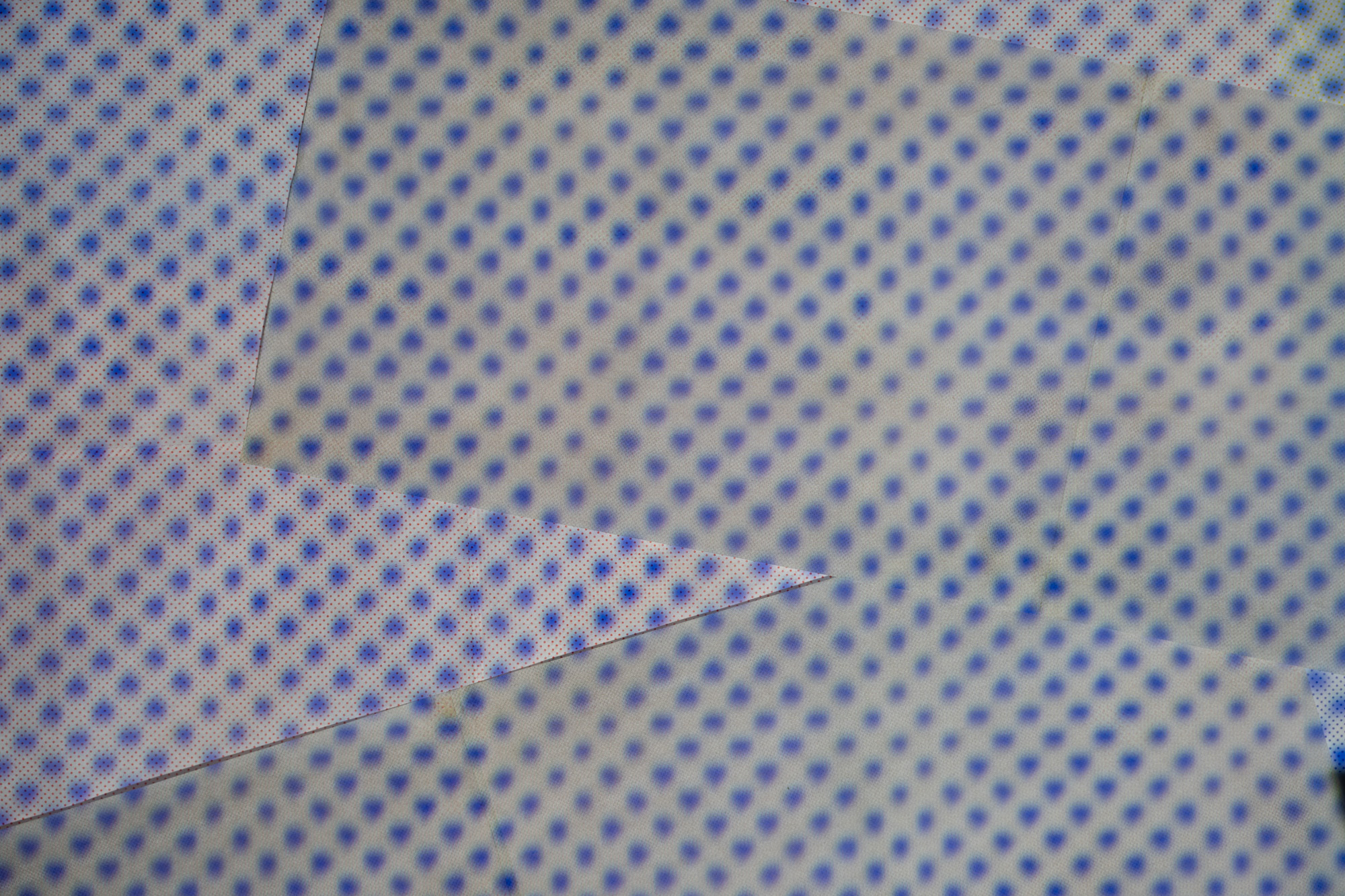
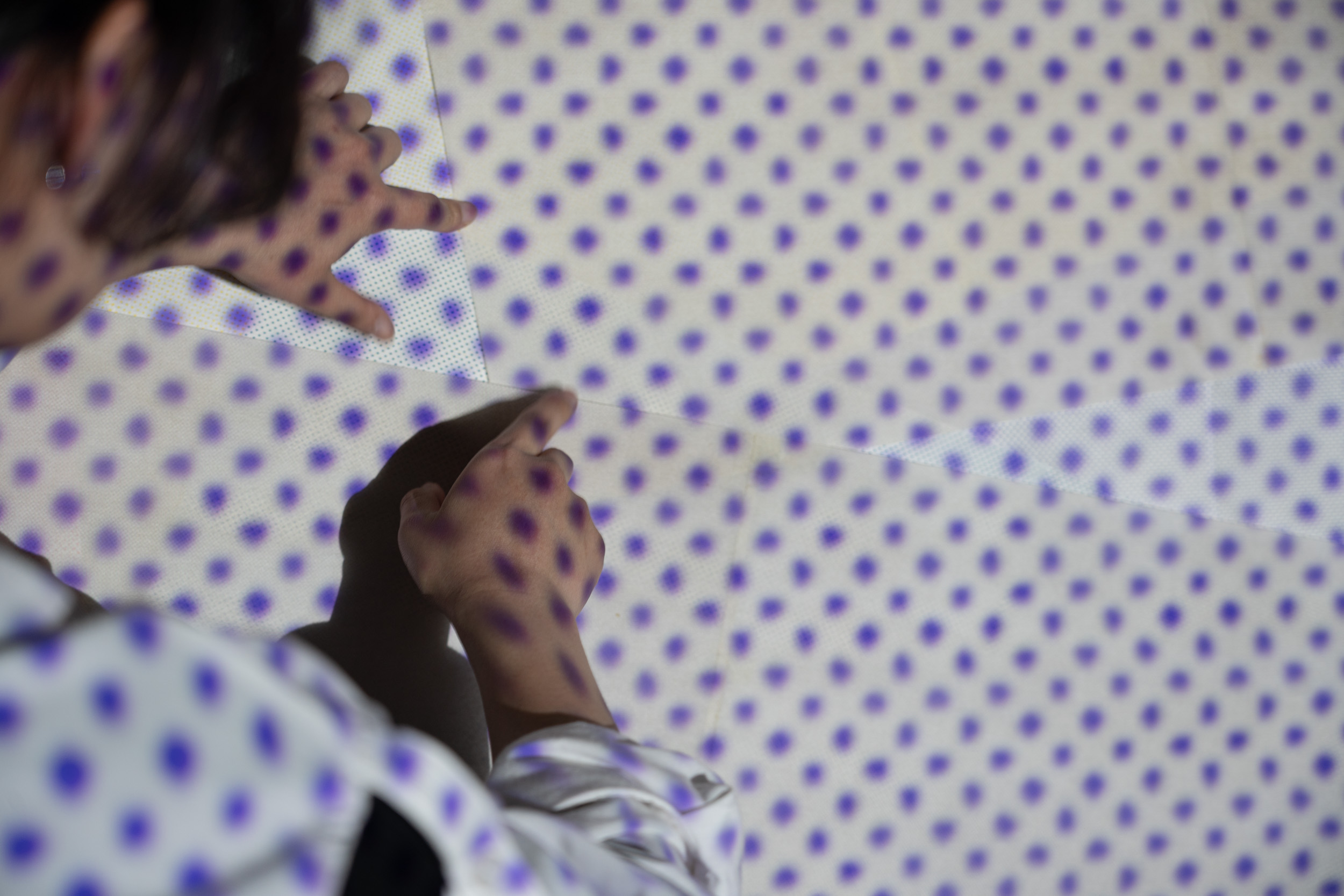
Risograph print on washi paper, projection
Each distinct color represents one of nine specific orbital paths; the frequency of the dots within each path reflects the percentage of total space debris drifting in that particular orbit. So a higher dot density indicates a greater concentration of debris within that specific orbital path.
One of the main goals was to create a sense of dissonance, a gap among the gentle dots patterns, riso colors, and materials, and the underlying theme of “debris”. Through this gap, I wanted to raise about the future state of the space environment, and to foster a tangible sense of responsibility toward it.
I try to reflect the fragility of washi paper which tears if not handled carefully into the concept of the "Kessler Syndrome.” Because space debris multiplies exponentially unless we are not taken into account appropriate measures. Both of them serve as symbols of a delicate and unstable state.
Space debris represents the indelible imprint humanity has already left upon the space environment. I feel like this is a legacy that serves as a critical inquiry into the nature of future sustainability.
Photos by Zhenye Feng
One of the main goals was to create a sense of dissonance, a gap among the gentle dots patterns, riso colors, and materials, and the underlying theme of “debris”. Through this gap, I wanted to raise about the future state of the space environment, and to foster a tangible sense of responsibility toward it.
I try to reflect the fragility of washi paper which tears if not handled carefully into the concept of the "Kessler Syndrome.” Because space debris multiplies exponentially unless we are not taken into account appropriate measures. Both of them serve as symbols of a delicate and unstable state.
Space debris represents the indelible imprint humanity has already left upon the space environment. I feel like this is a legacy that serves as a critical inquiry into the nature of future sustainability.
Photos by Zhenye Feng